




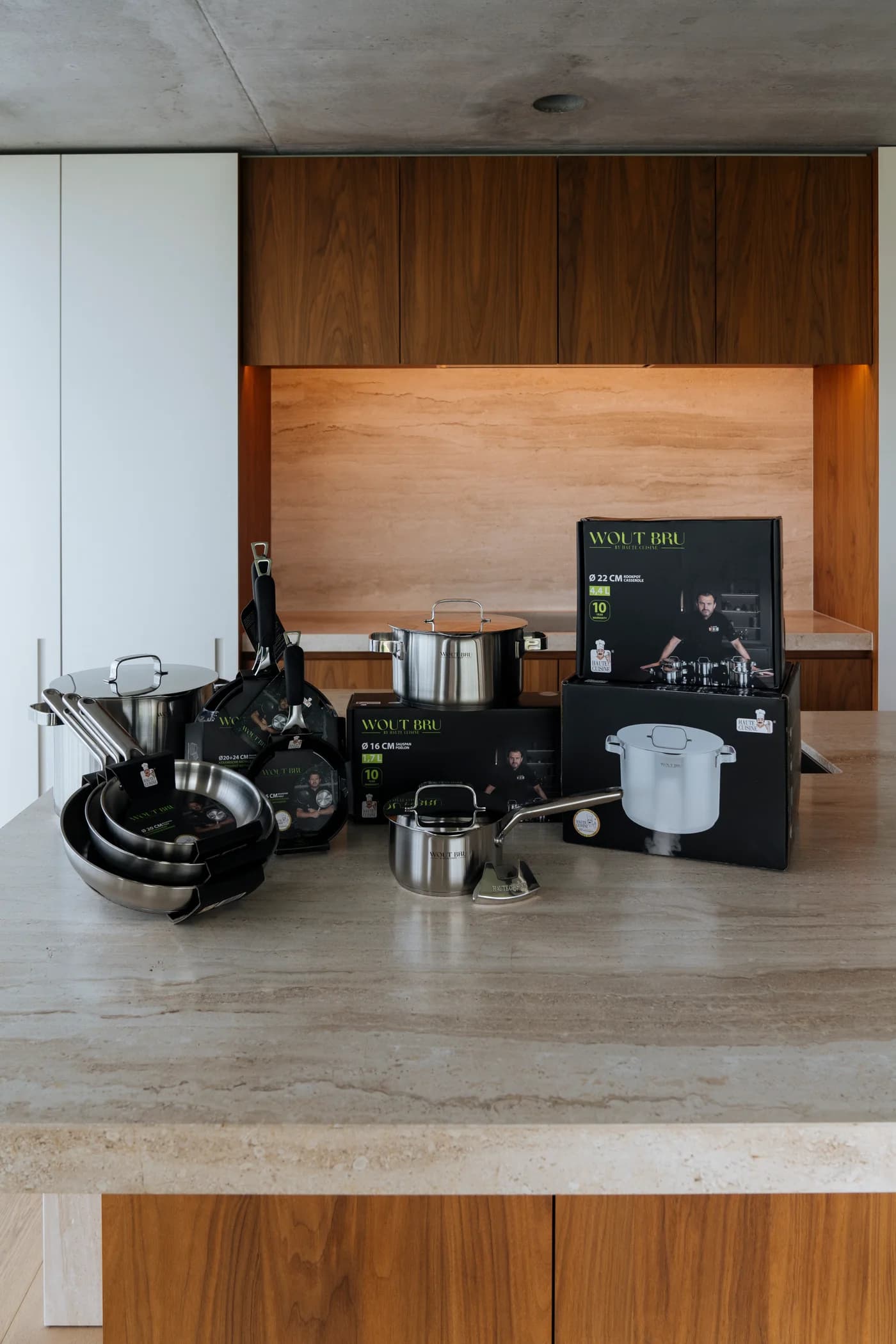

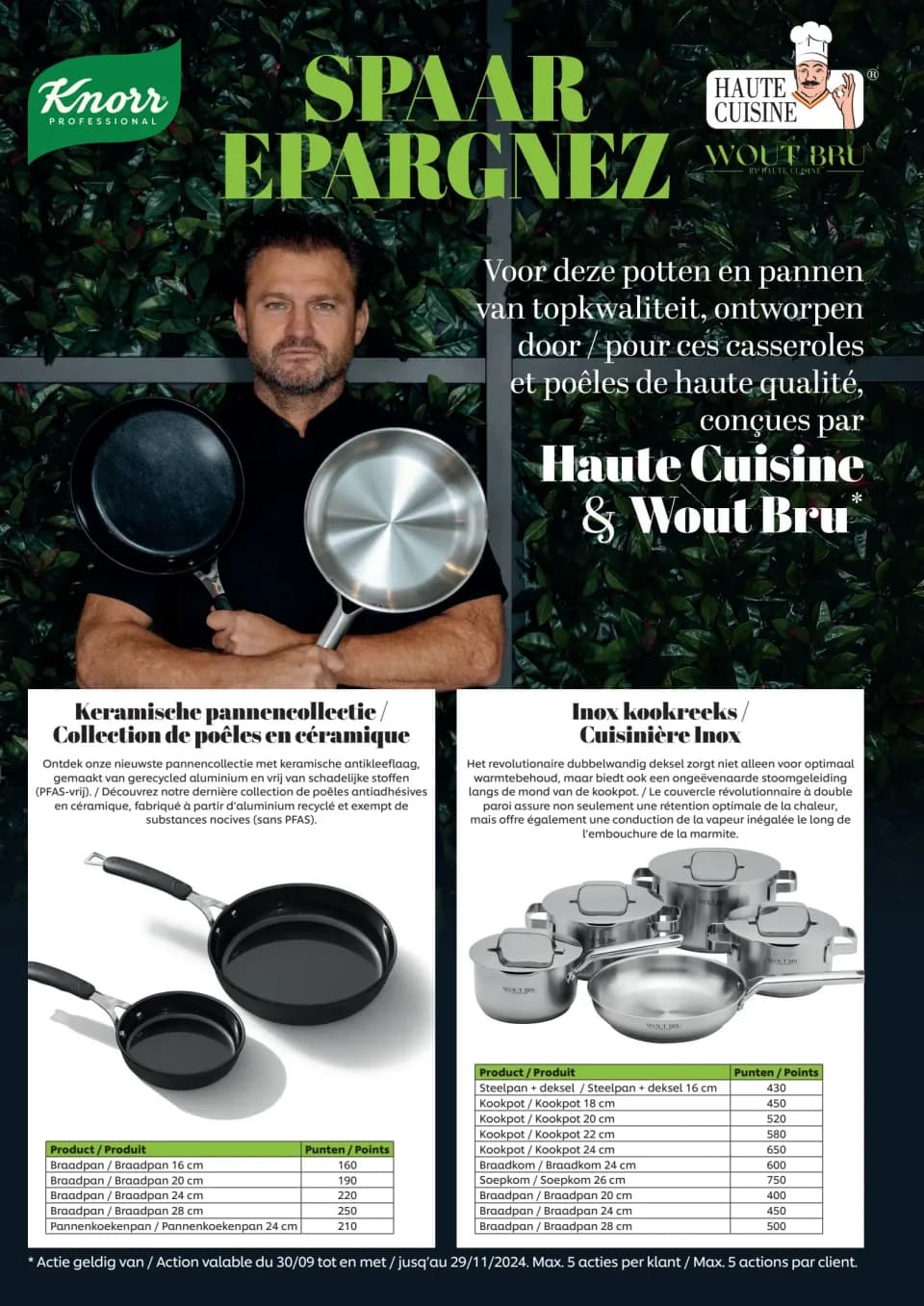
A savings programme is not a cost in itself, but an investment that pays for itself through two channels: extra sales during the saving period and margin on the redemption sales of the premium product.
When redeeming, the customer pays a symbolic amount on top of the savings card — together with the economies of scale of joint purchasing, that amount covers a large part of the product cost. Because IMFACO buys directly from manufacturers and imports by container, the cost price is considerably lower than when buying through intermediaries.
The campaign also generates extra footfall: customers who want to collect points visit the store more often and buy more per visit to reach the savings threshold. This combination — extra sales plus margin on the redemption sales — generally makes a well-executed savings programme profitable for the retailer, regardless of the longer-term loyalty effect.
Frequently asked questions
Does the customer pay anything on redemption?+
Yes, usually a symbolic amount on top of the full savings card — together worth up to 65% off the retail price.